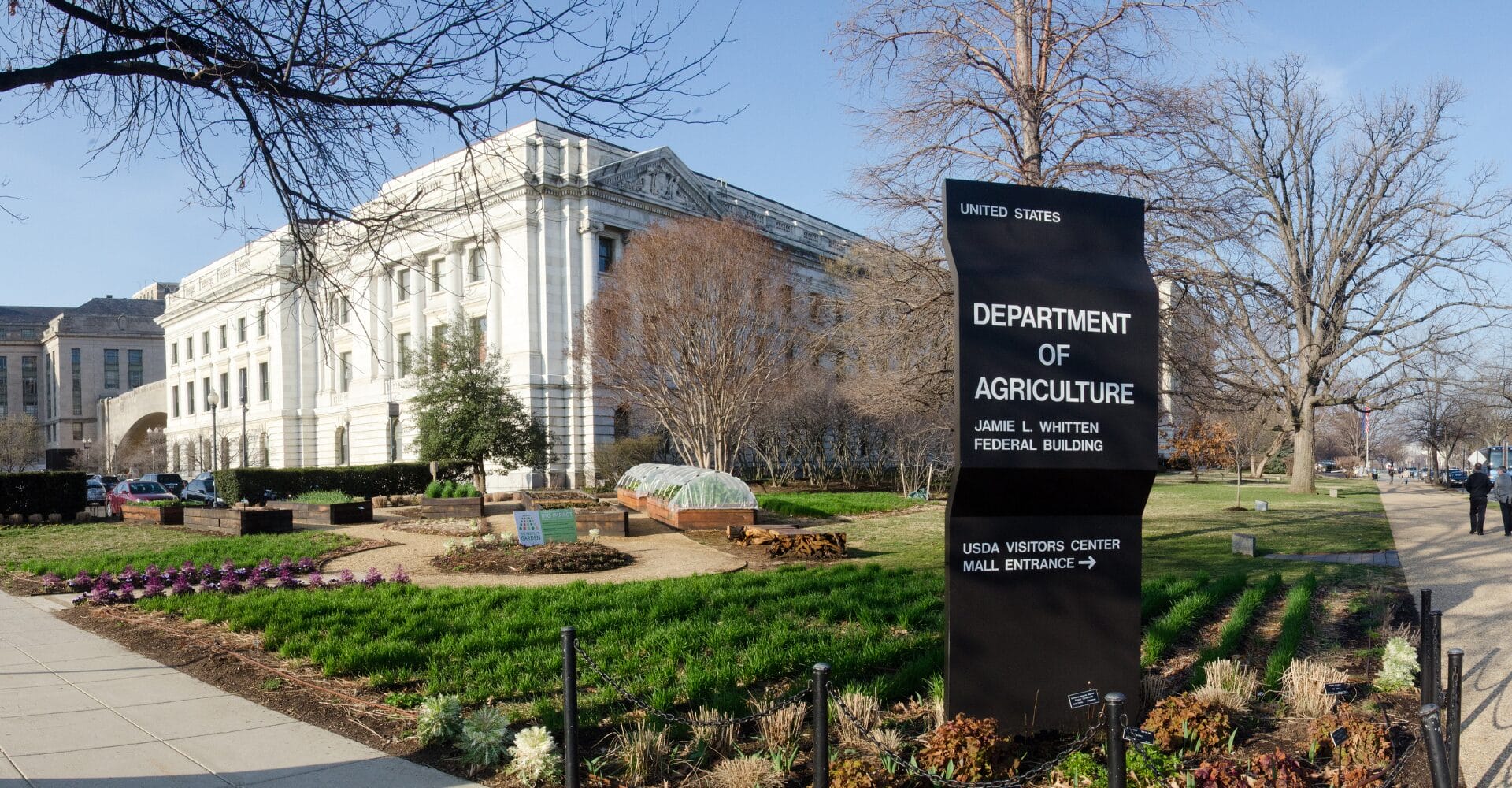
Model USDA
Example hero paragraph text.
Model USDA is a multi-day simulation for college students in the USDA NextGen program. Launched in 2025 by the ASU Swette Center, this conference gives students a unique opportunity to step into the shoes of federal food policy decision-makers and stakeholders.
Inspired by Model United Nations and Model Congress, Model USDA is designed to engage, educate, and empower the next generation of leaders in food and agriculture policy.

Model USDA 2026
The Swette Center welcomed nearly 200 students from 30 colleges and universities to the second annual Model USDA. The conference was held at the ASU Tempe campus from January 30 to February 1, 2026.
Leading up to the event, students were given a unique role and divided into six groups. Each group was assigned a policy scenario, which was their focus throughout the three days of Model USDA. The scenarios were based on real-world food and agriculture challenges, and roles ranged from USDA officials and nonprofit advocates to scientists, educators, and industry leaders. In their roles, students debated, negotiated, and co-created policy solutions.

Model USDA 2026: Impact Report
Model USDA is an innovative experiential learning event that provides students with new knowledge, professional skills and connections to become policy leaders in food, agriculture and natural resources. Building on the success of its inaugural year, Model USDA 2026 expanded significantly in both scale and impact. This report showcases our nationwide growth, shares key outcomes and student insights, and outlines plans to continue strengthening the event in the years ahead.

Model USDA 2026 in the news
“It turned out better than I imagined,” said Kathleen Merrigan, executive director of the Swette Center for Sustainable Food Systems within the Julie Ann Wrigley Global Futures Laboratory and the mastermind behind Model USDA. “Students told me the experience left them wanting a career in food policy — that’s a big win.”
Welcome address from ASU President Crow
Michael M. Crow, the 16th president of Arizona State University, welcomed students to Model USDA 2026 by sharing his vision for the conference, along with a brief overview of the importance of agriculture in U.S. history and the USDA’s role in ensuring a healthy, safe and secure food supply for years to come.
Scenarios for Model USDA 2026
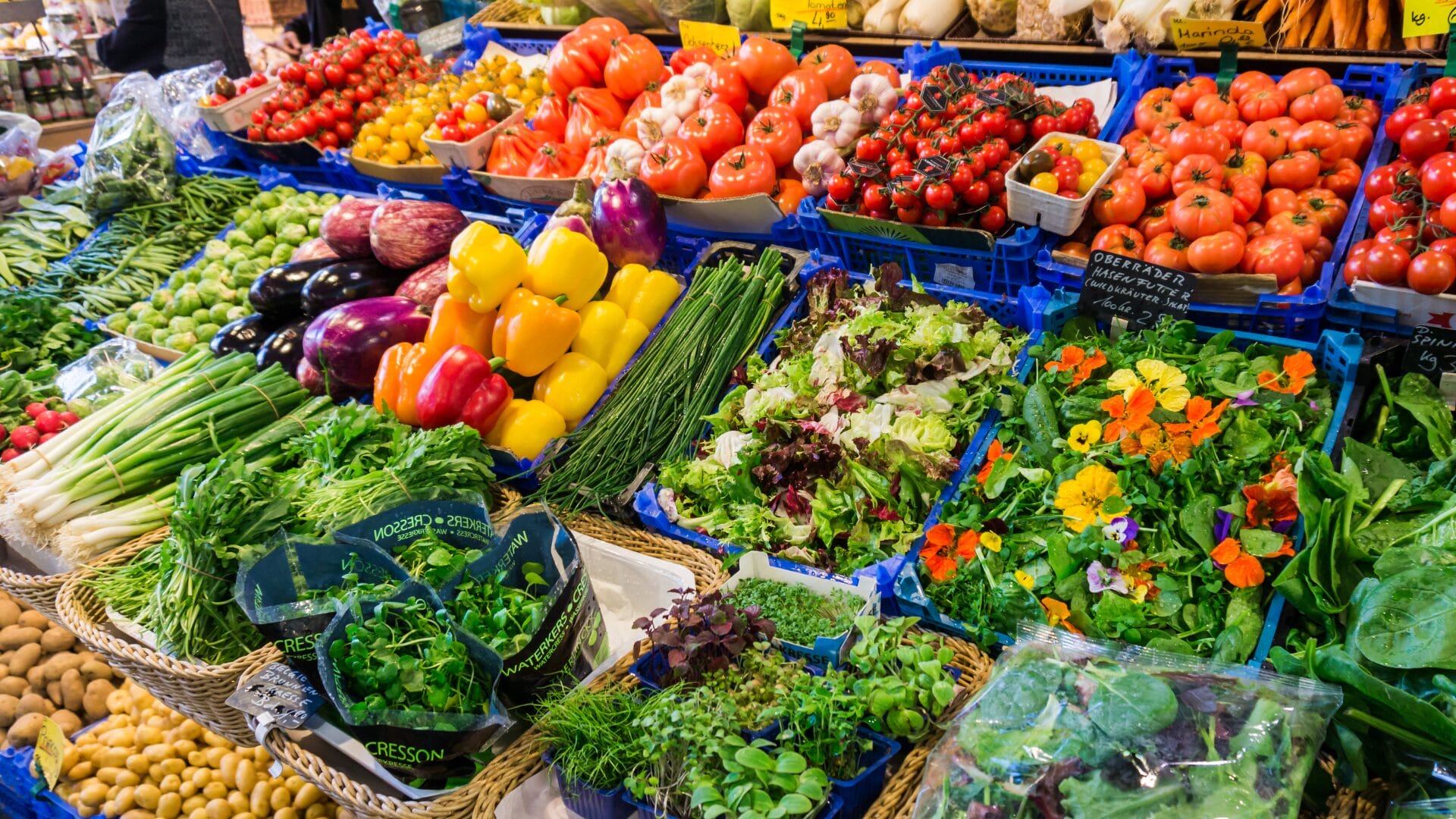
Scenario A: Healthy and sustainable Dietary Guidelines for Americans
Should the Dietary Guidelines for Americans consider environmental sustainability for the first time ever?
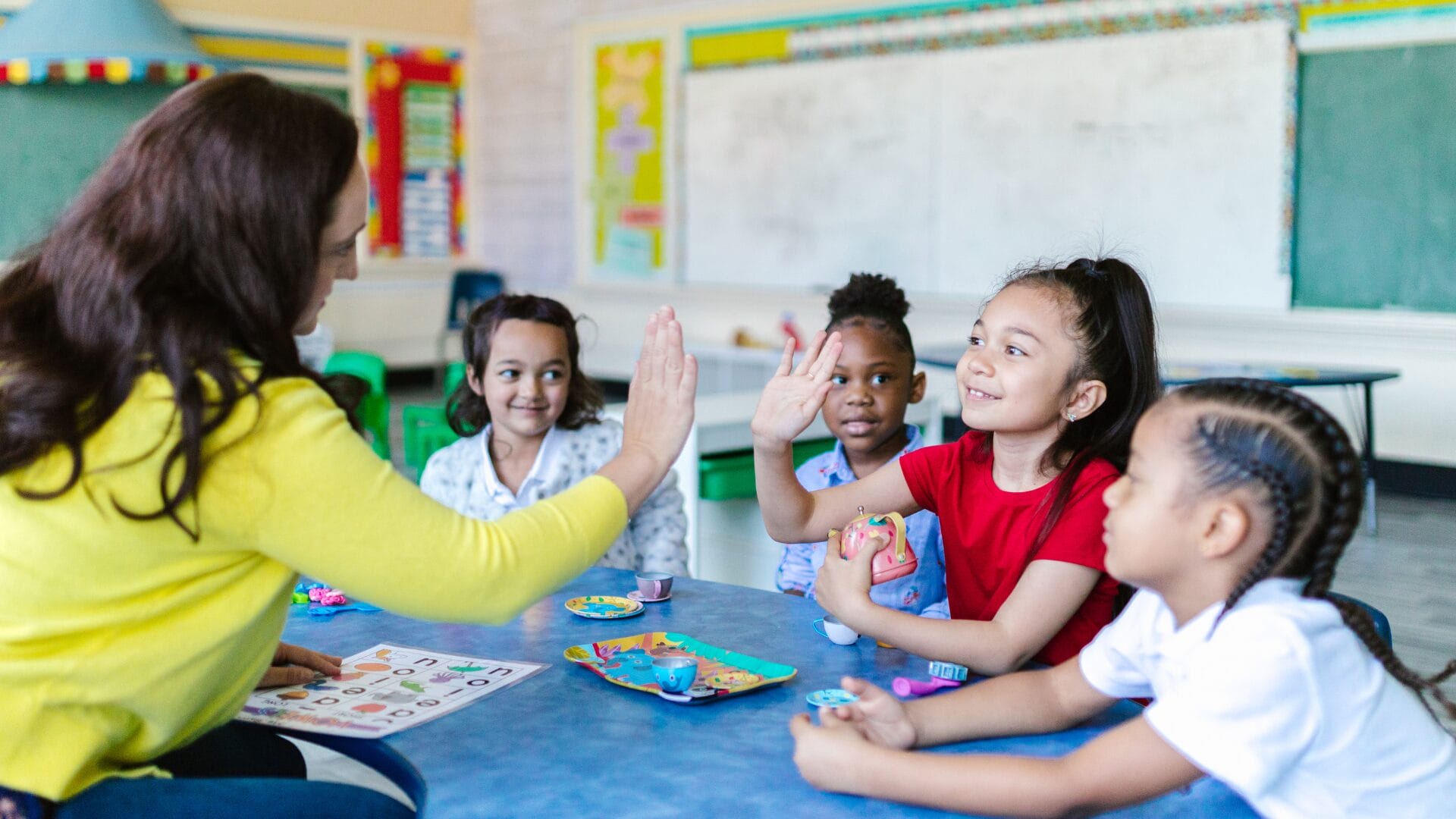
Scenario B: Expanding nutrition education to schools nationwide
How can a new grant program best help schools bring nutrition education into the classroom?
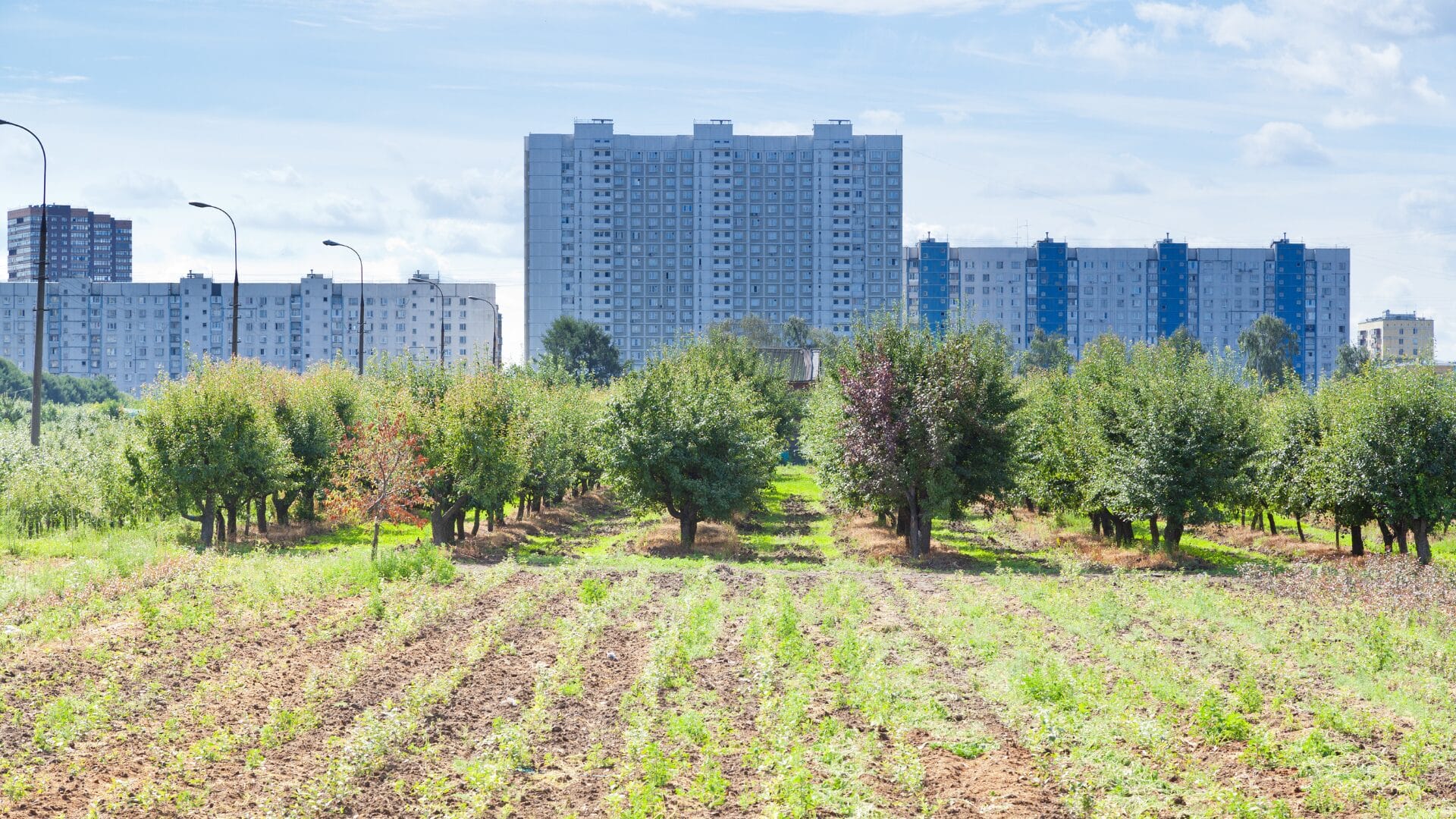
Scenario C: Growing urban agriculture
What should USDA do to build a more diverse urban agriculture landscape?
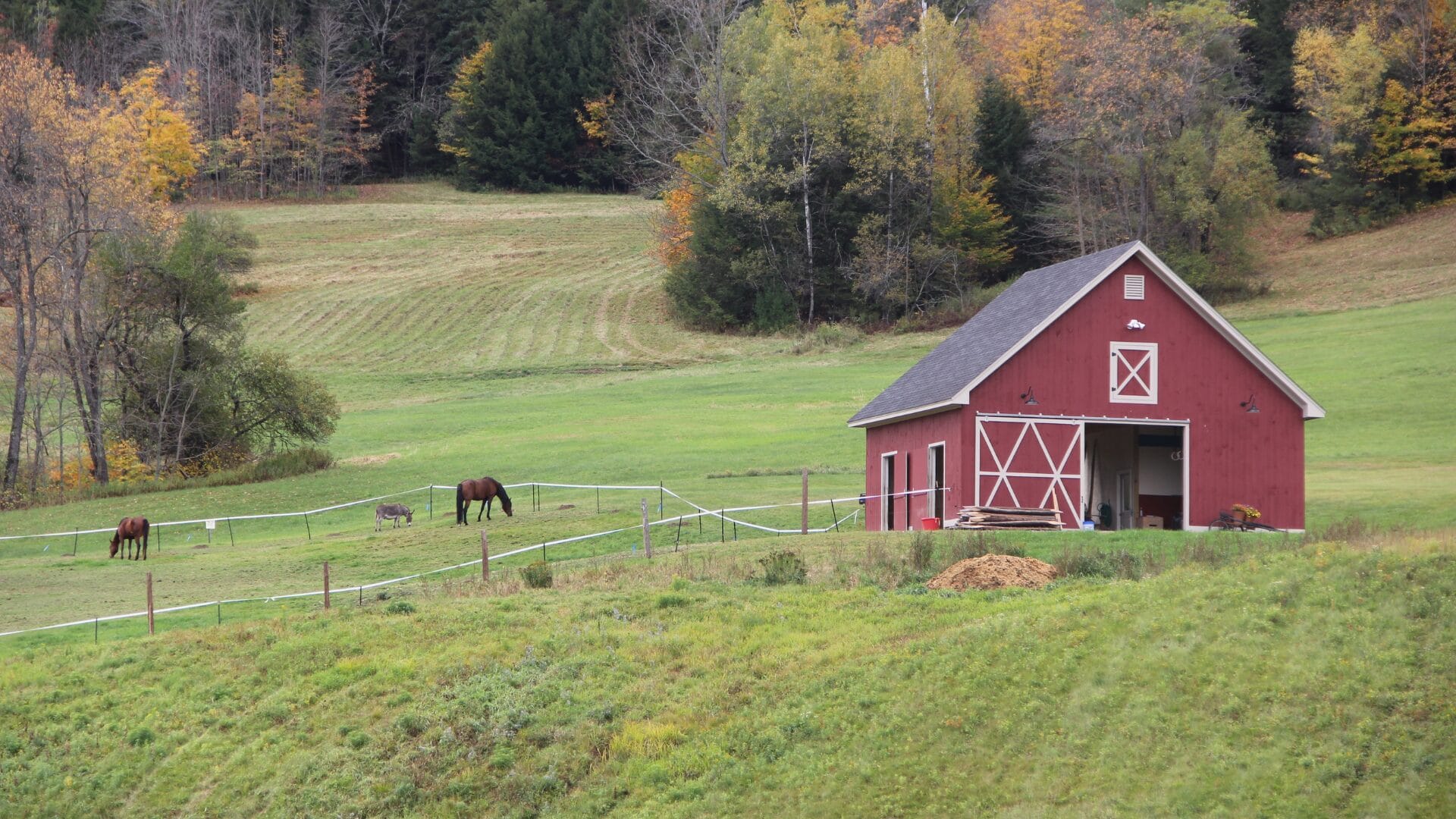
Scenario D: Investing in rural America
How can USDA most effectively invest millions in funding to support rural development?
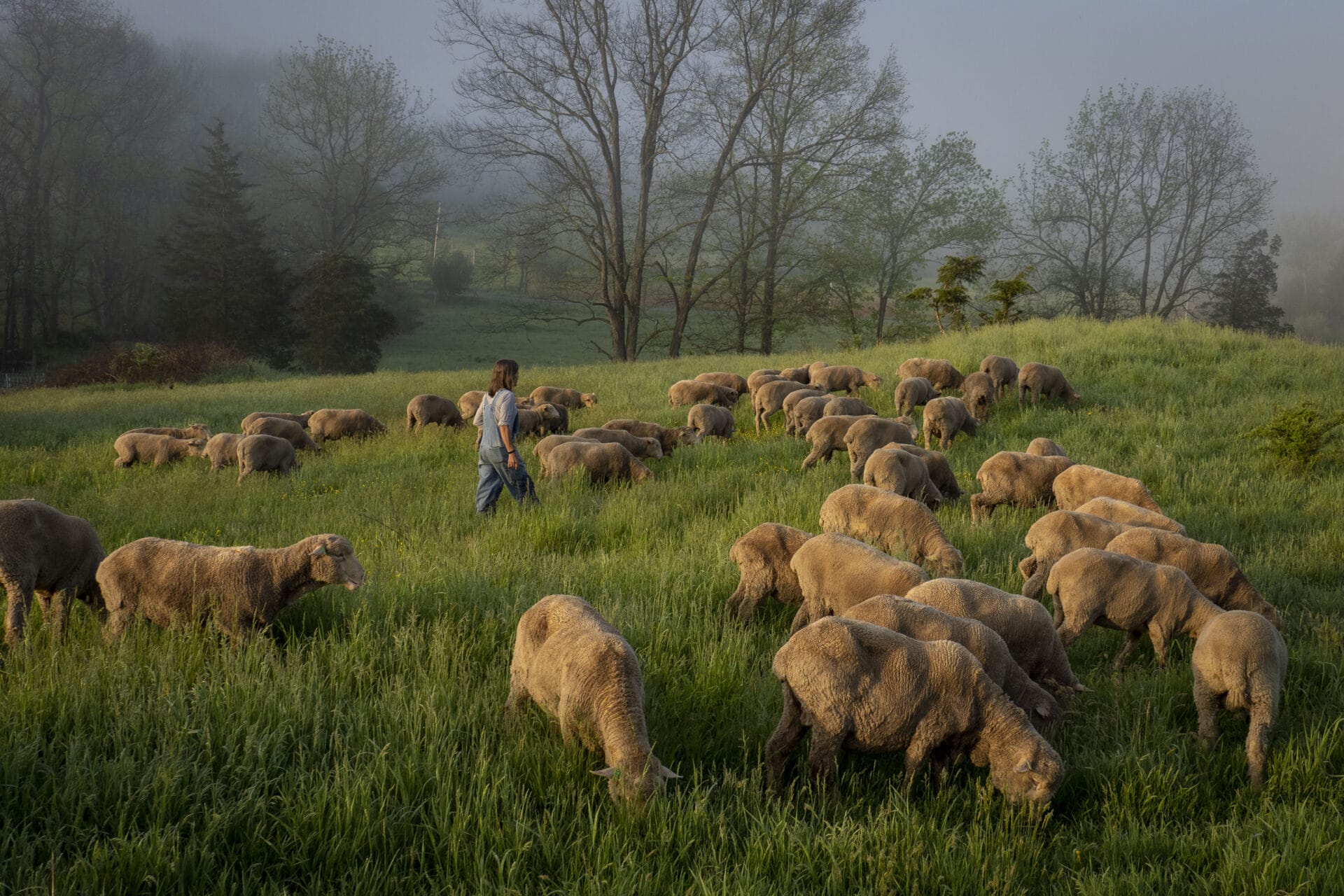
Scenario E: FSIS food label guidance for voluntary claims
Should the Food Safety and Inspection Service proceed with their new meat and poultry labeling guidance?

Scenario F: Fighting fire with fire
How can the Forest Service teach the general public about prescribed burns and secure stakeholder support?
This country needs programs like Model USDA to teach the next generation of scientists and agriculture professionals how to hone their skills for the benefit of the world.
Chavonda Jacobs-YoungFormer USDA Under Secretary for Research, Education, and Economics, and former USDA Chief Scientist

Looking back on the first Model USDA
Student reflections
Hear from the ASU Swette Center’s executive director and various students in this video as they reflect on how Model USDA 2025 deepened their understanding of complex policy decision-making, sharpened their leadership skills and inspired their career goals.
Impact report
The inaugural Model USDA was held virtually from January 31 to February 2, 2025. It brought together more than 140 students from Arizona State University, Hawai‘i Pacific University, University of Alaska Fairbanks, and the University of Guam for a first-of-its-kind simulation of federal food and agriculture policymaking.
The event exceeded expectations, with over 95% of participants calling it a valuable learning experience and 100% successfully achieving the objective of their scenario. This report gives an overview of how and why Model USDA was created, the outcomes and impact of the inaugural event, and our future plans.
For any Model USDA inquires, contact:

This work is supported by the From Learning to Leading: Cultivating the Next Generation of Diverse Food and Agriculture Professionals program, project award no. 2023-70440-40222, from the U.S. Department of Agriculture’s National Institute of Food and Agriculture.
Any opinions, findings, conclusions, or recommendations expressed in the ASU Model USDA conference are those of the participants and should not be construed to represent any official USDA or U.S. Government determination or policy.
Model USDA © 2024 by Swette Center for Sustainable Food Systems is licensed under CC BY-NC-SA 4.0.