Arizona weather safety
Weather statistics
Heat usually causes more weather-related fatalities each year in the United States, according to National Weather Service statistics. Fatalities each year (on average, based on 10-year U.S. data from 2015 to 2024): heat: 199 fatalities; floods: 89 fatalities; tornadoes: 48 fatalities; lightning: 20 fatalities; hurricanes: 27 fatalities.
A heat wave is defined as at least 3 days with above average temperatures and is often caused by high pressure (sometimes called a heat dome). While heat waves are usually associated with summer, spring and fall can also experience deadly heat waves. Heat waves in the western U.S. are typically very hot and dry, while heat waves in southern, northern, or eastern U.S. locations can bring both high temperatures and high humidity.

National weather hazards
The National Centers for Environmental Information Storm Events Database provides statistical information on fatalities, injuries and damages caused by weather-related hazards across the 50 U.S. states, Puerto Rico, Guam and the Virgin Islands.
Review some of these resources for Weather Safety Tips
Arizona weather hazards

Extreme heat
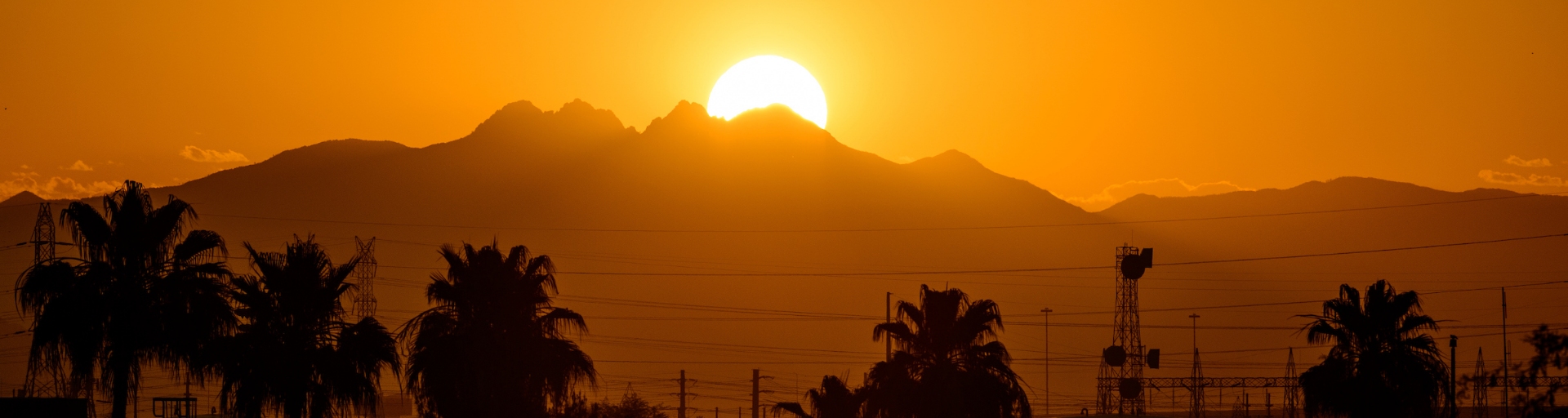
Extreme heat in Arizona typically happens under high pressure, clear skies, and calm winds. Learn more about extreme heat preparedness in Arizona and review some of these other suggestions that might help prevent heat-related illness:
- Review the Heat Risk forecast and the Hazard Weather outlook for Arizona.
- Drink plenty of water in smaller, frequent amounts. Avoid caffeine or alcohol. Check on your neighbors.
- Wear sunscreen, sunglasses and light-colored, light-fitted clothing to prevent sunburns.
- Take frequent breaks from your outdoor activities.
- If you experience light-headedness, headaches, cramps or other disorienting symptoms, find a cooler location and rest or seek medical care.
- Pay careful attention to young children and elderly people because they are often more vulnerable to heat. Visit the NWS Heat Safety Tips for more details.
More information on heat safety in Arizona.
Lightning
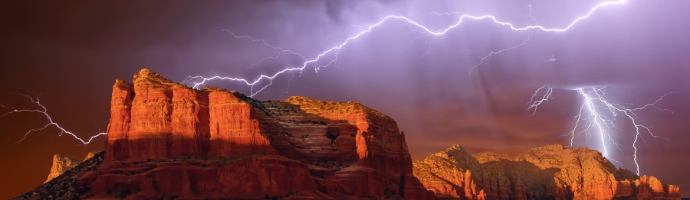
Lightning storms can be a spectacular event in Arizona, however, it’s important to always stay protected from lightning.
- If you hear thunder within 30 seconds of a lightning strike, you should seek immediate shelter. If you’re not home, take shelter in the nearest enclosed building.
- If you’re driving, you can usually remain in your car if it’s a metal-framed vehicle (the metal can act like a Faraday cage). Make sure you close all car windows and avoid touching anything metal in your vehicle since electricity from nearby lightning strikes can travel across metal.
- If you’re indoors, don’t use plugged-in devices since lightning can travel across cables plugged into the wall. Unplugging devices from walled electronic sockets prevents lightning from traveling across those cables.
- Lightning can travel along water because water conducts electricity. Don’t turn on faucets until the storm passes. Windows might not always conduct electricity but it’s safer to stay away from windows.
More information on lightning safety.

Flash floods
Flash floods can occur at any time but are usually more often during the summer monsoon season. Flash floods can be extremely dangerous for hikers and drivers. If a flash flood warning has been issued in your area:
- Do not approach running water. Flood levels can rise dramatically within seconds often from storms miles upstream.
- Avoid driving across dry channels or dip crossings because flood waters can cause vehicles to lose access to the road and start floating.
- If your vehicle gets stuck in a channel, abandon your vehicle and move quickly to higher ground.
More information on flash flood safety.
Dust storms
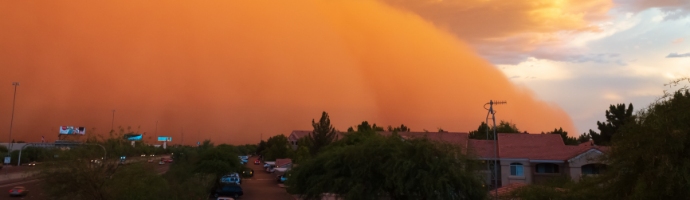
It is extremely hazardous to drive in a dust storm because visibility can dramatically decrease in a dust storm. Here is what you can do in the event of a dust storm:
- Don’t drive into a dust storm.
- Pull off the roadway, turn off your lights, put on your emergency brake, and remove your foot from the brake.
- Wait for the event to pass before you return to the roadway. Dust storms in Arizona usually pass after a few minutes.
More information on dust storm safety.
Wildfires
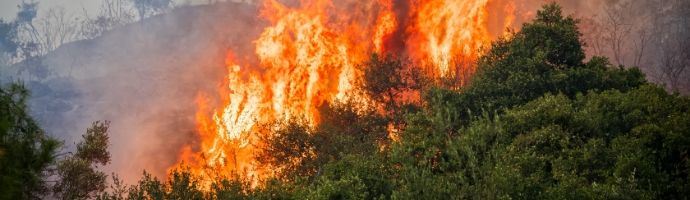
Everyone should make sure to have an evacuation plan in case of wildfires as well as for other natural disasters.
- Before you need to evacuate, prepare a plan, create a “Go Bag” for every member of the house, and maintain access to emergency alerts.
- If your area has been told to evacuate, follow all directions to the area of safety.
- If only smoke is moving toward your house, close all windows, doors, or anything that might ventilate smoke into the house.
- If you’re caught in a wildfire, breathe low to the ground to prevent inhaling smoke. Find a cleared area or a body of water.
Source: National Geographic Wildlife Safety Tips
More information on wildfire safety in Arizona.
Tornadoes
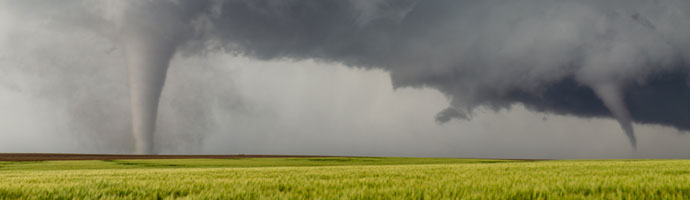
Arizona has on average 4-6 tornadoes every year and most Arizona tornadoes rank from EF-0 to EF-2, although Arizona has experienced a few EF-3 tornadoes since 1950. The Enhanced Fujita (EF) scale is a rating of estimated wind speed based on damage surveys. Tornadoes should always be given the proper respect.
- If a tornado warning has been issued in your area, find shelter immediately such as a basement or storm shelter.
- If you’re in a building without a designated safety area, go to the lowest level of the building or find a room that puts as many walls possible between you and the tornado.
- Cover your head with a helmet or mattress. Blankets or piles of clothing can help shield you from flying or falling debris.
- If you’re driving in a vehicle and can safely access the nearest tornado shelter, seek refuge at the shelter.
- If you don’t have access to a tornado shelter while driving and there’s a ditch or lower ground near you, leave your vehicle, lie on the ground, and cover your head with your arms and hands.
Source: National Geographic Tornado Safety Tips
More information: What to do before and after a tornado warning | U.S, tornado frequency by month.

Winter storms
Despite Arizona’s reputation for having a dry heat, locations north of the Mogollon Rim have experienced winter storms. Winter storms typically range from measurable snowfall to hours of blizzard-like conditions that create low visibility powered by strong winds.
- Remain indoors if possible. Put together a safety/supply kit with things like first aid kits, food, water, flashlights, batteries, warm clothing, and more. For a more detailed list, go to Red Cross Winter Storm Safety.
- If you need to drive in a vehicle, make sure to equip snow chains to the tires and keep the fuel tank full to prevent it from freezing.
More information: OHSA Winter Weather | Ready Winter Weather
Hail
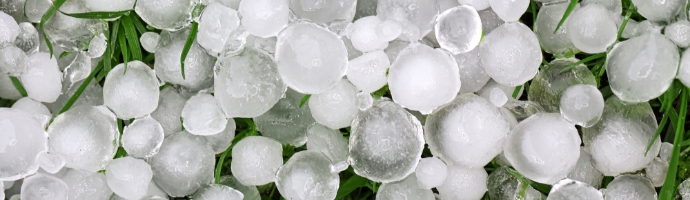
Hail can be a serious problem because hail has the potential to damage property and cause harm to people in a hailstorm. Hailstorms don’t last long in Arizona with an average duration of less than 10 minutes.
- If you’re outside when hail starts to fall, protect your head and take shelter immediately.
- If you’re indoors, stay away from windows and make sure to stay inside until the hailstorm and the weather event passes.
- If you’re driving when a hailstorm occurs, safely find somewhere sheltered to park that might help protect your vehicle from falling hail.
- If a sheltered place is not available, safely find a place to pull off the roadway. Keeping away from car windows is helpful because large hail might penetrate car windows.
More information: Driving in hail | Staying safe during a hail storm | Facts and statistics on hail